
There are so many lovely neighborhoods in Barcelona. Here are my favorite ones. Read further on to learn more about the neighborhoods in Barcelona and which ones you need to add to your to do list 🙂
El Born
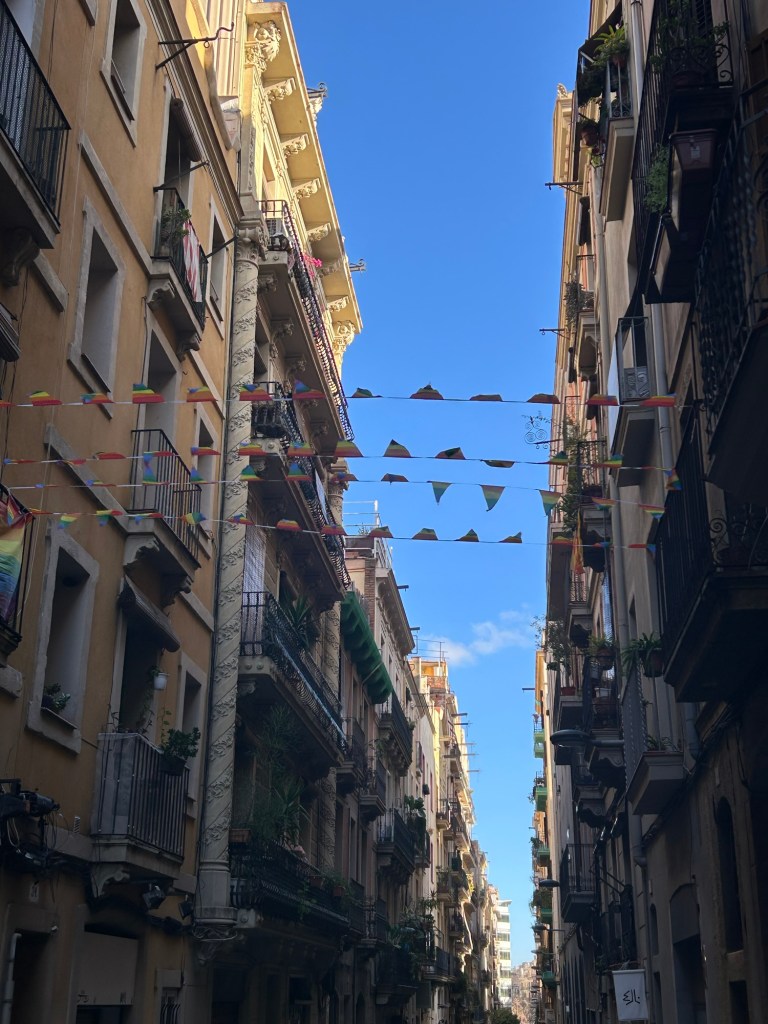
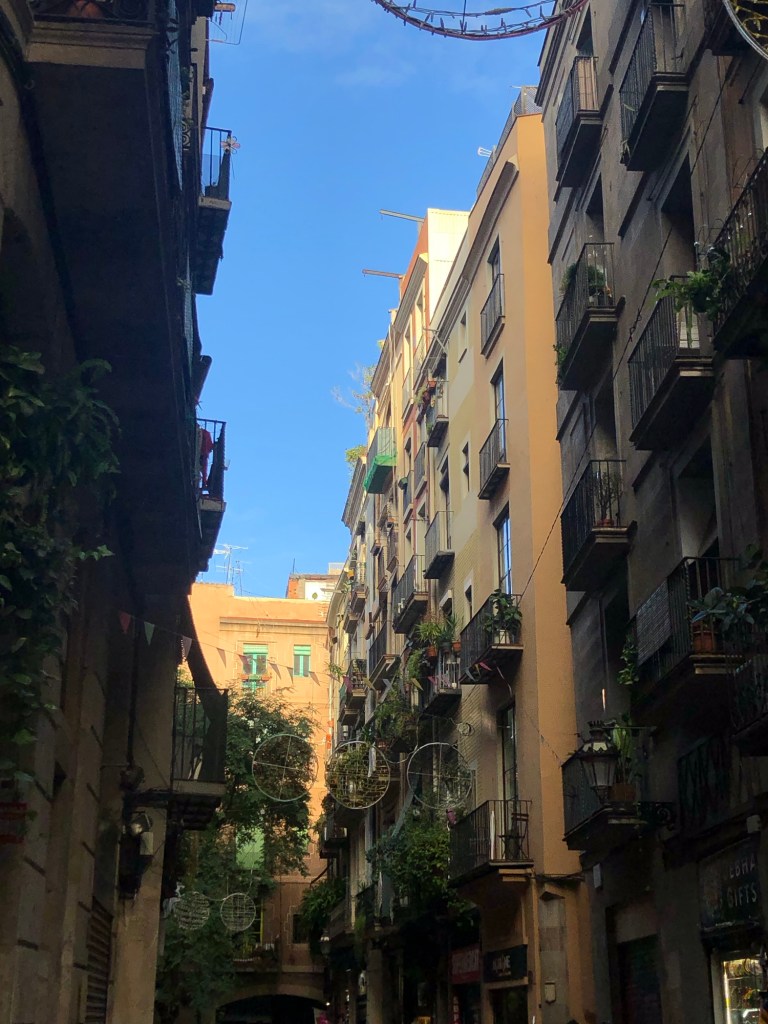
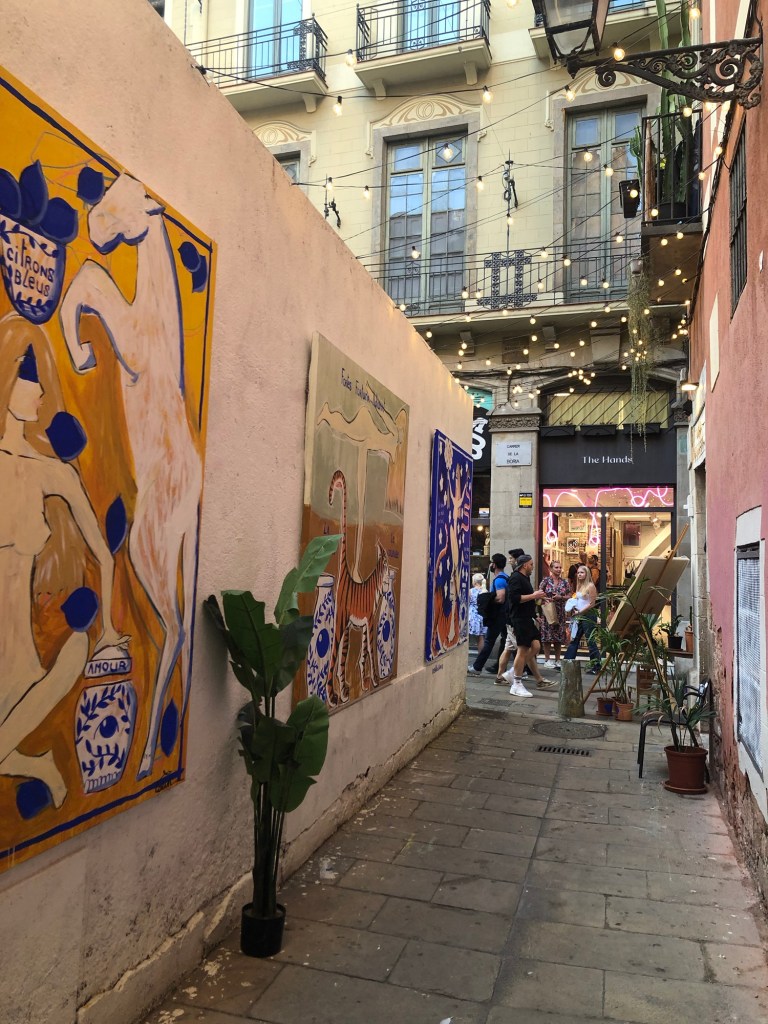
El Born is one of my favorite neighborhoods in Barcelona, it is full with picturesque streets, cute boutiques, art galleries, good restaurants and some of the main sights of Barcelona like Picasso museum, Banksy museum and parc de la Ciutadella. Overall it is an amazing neighborhood and definitely worth checking out.
El Born is one of the trendiest and most artistic neighborhoods in Barcelona, a place where medieval charm meets modern style. Known for its narrow streets lined with cute shops, galleries, and lively cafes, El Born is a cultural hotspot that draws locals and tourists alike. Key highlights include the stunning Santa Maria del Mar church, the bustling Mercat del Born, and the sprawling Parc de la Ciutadella and Arc de triomf.
El Born is also home to some of Barcelona’s top restaurants and nightlife. Whether you’re enjoying tapas at a cozy bar or exploring the nightlife scene, El Born offers something for everyone. It’s an area that truly embodies the creative spirit of Barcelona.
Just steps away from Barri Gòtic, El Born is where the medieval past meets the contemporary cool. This neighborhood was once home to the city’s aristocrats and intellectuals, and it retains a chic and artistic vibe. Santa Maria del Mar, a magnificent Gothic church, stands as a historical gem, while the Mercat del Born offers insight into the city’s history as a major center of trade during the 18th century.
El Born is also known for its bohemian character, with a rich array of art galleries, designer boutiques, and coffee shops. The neighborhood is home to several museums, including the Picasso Museum, which houses an extensive collection of the artist’s early works. El Born is perfect for those seeking a blend of history, culture, and modern artistic expression.
Tip: If you’re into art, make sure to visit the Picasso Museum early in the day. The museum’s collection is extensive, and visiting early allows you to enjoy the galleries without the larger crowds.
Tip: Passeig del Born is a lovely street to grab a coffee and people-watch. It’s lined with trendy cafes and shops, and there’s always something interesting happening, from street performers to artists showcasing their work.
Tip: For a more relaxed experience, visit Parc de la Ciutadella, a large park with a beautiful lake and green space, perfect for a leisurely afternoon stroll.
Check this post for a more detailed things to do in El Born.


Barri Gòtic
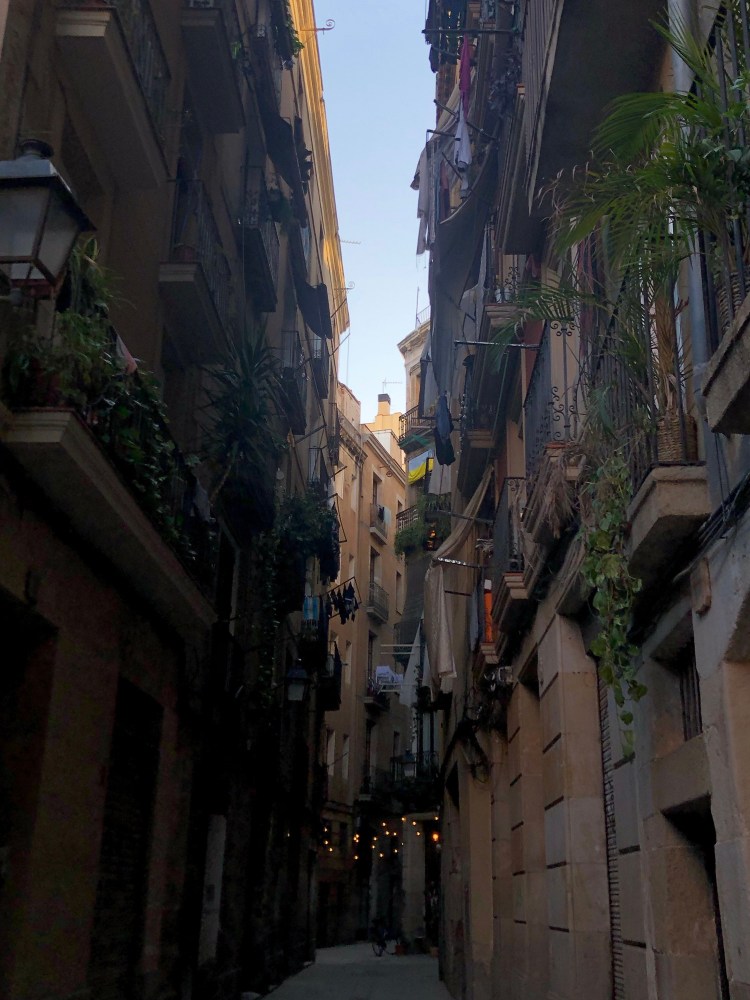
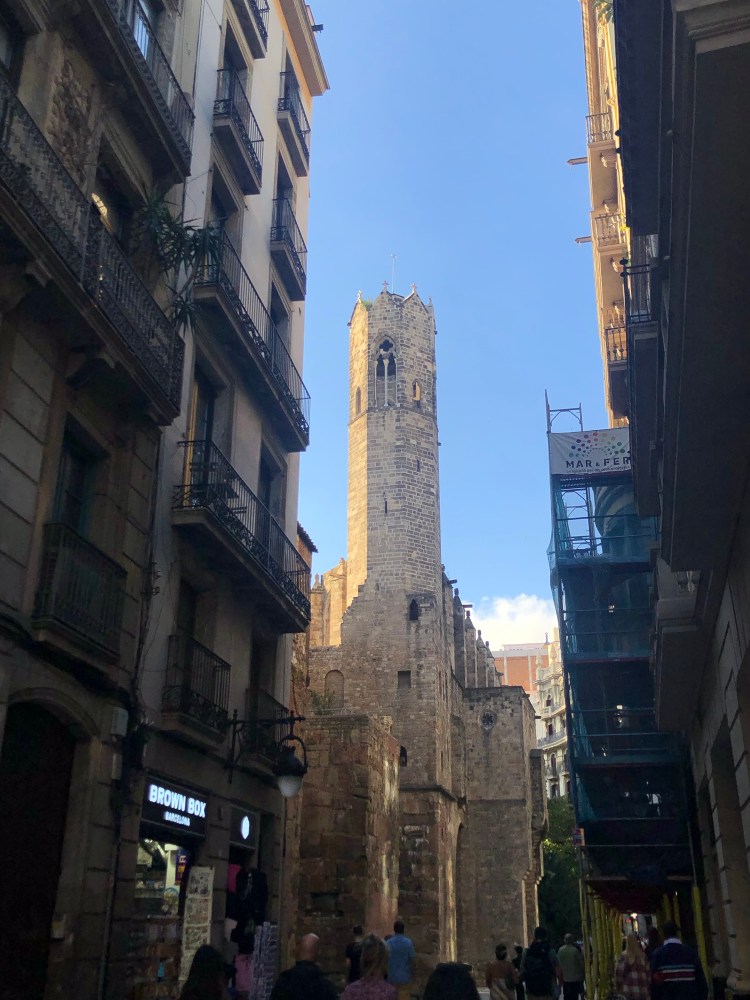
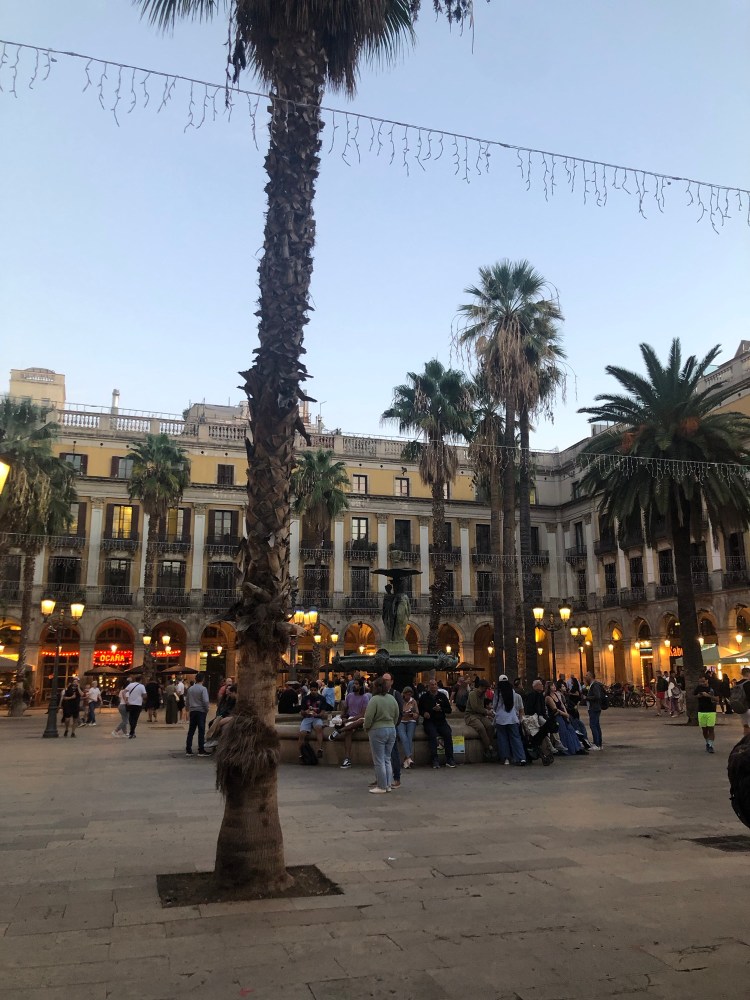
If you want to get lost in the maze of history, Barri Gòtic (the Gothic Quarter) is the place to be. This ancient neighborhood dates back to Roman times, and its narrow, winding streets are filled with stories of Barcelona’s past. In Barri Gòtic, you’ll find the majestic Barcelona Cathedral, hidden plazas, and remnants of medieval structures, all set within an atmosphere steeped in mystery.
Beyond its historical significance, the Gothic Quarter is also a hub of creativity. You’ll find artisan shops, art galleries, cozy tapas bars, and live music venues around every corner. The mix of old and new in this neighborhood gives it an energy that’s both timeless and contemporary.
Barri Gòtic is the soul of Barcelona’s history. Narrow medieval streets, hidden squares, and ancient buildings create a labyrinth that brings the city’s past to life. The area was originally the Roman settlement of Barcino, and you can still see traces of this Roman influence today. For instance, you can explore Plaça del Rei, a square that is home to the remnants of the old Roman city walls and medieval palaces.
The Barcelona Cathedral, with its stunning Gothic architecture, is one of the standout landmarks in this district. It stands as a reminder of the city’s role as a religious and cultural center in medieval Spain. In addition to its historical buildings, the Gothic Quarter is also full of lively plazas, tapas bars, and art galleries, blending centuries of history with a vibrant, modern atmosphere.
Tip: Wander the streets in the early morning or late evening to avoid the crowds. The narrow, winding lanes are less crowded at these times, allowing you to explore the hidden gems of the Gothic Quarter, like Plaça del Pi or Plaça Sant Jaume, at a slower pace.
Tip: Don’t miss El Call, the old Jewish Quarter, which is often overlooked by tourists but offers fascinating insights into Barcelona’s medieval Jewish community.
Tip: Check out the Museu d’Historia de Barcelona (MUHBA) for a deep dive into the city’s Roman and medieval past. The museum includes underground ruins of ancient Roman buildings and streets.




Eixample
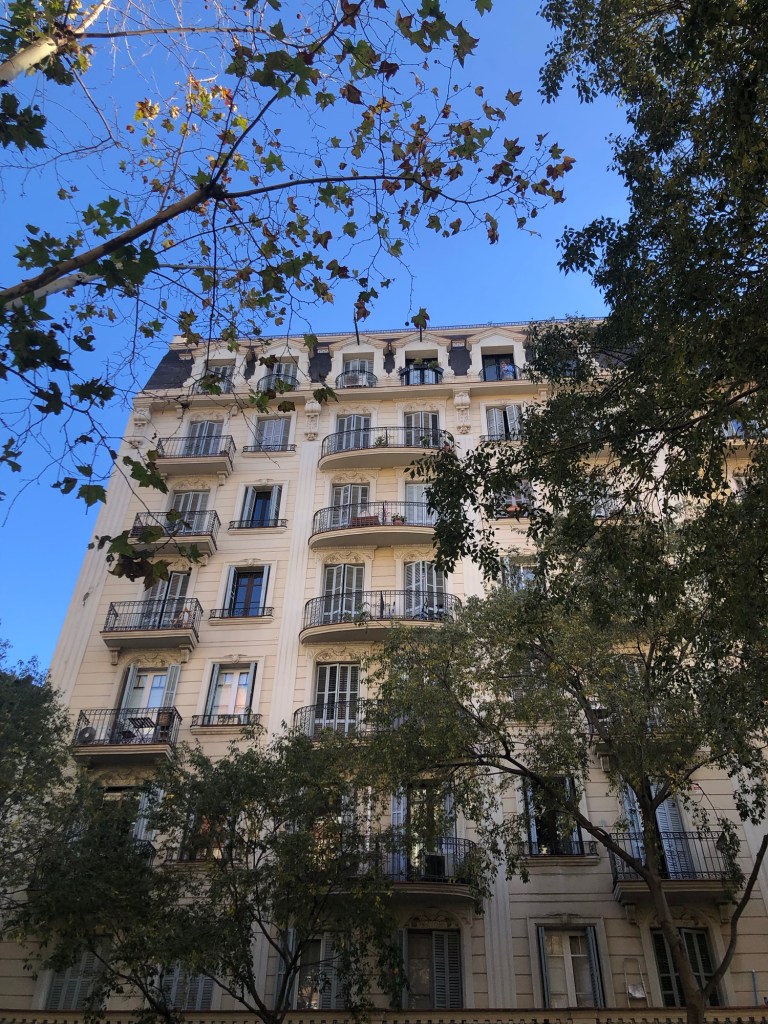
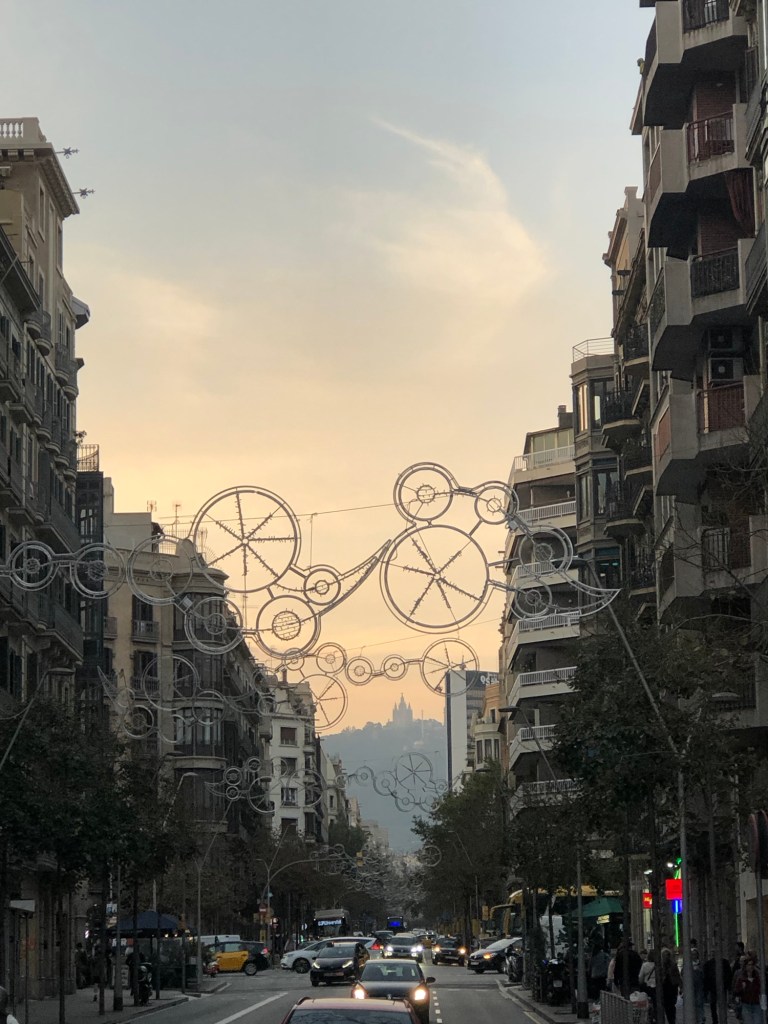
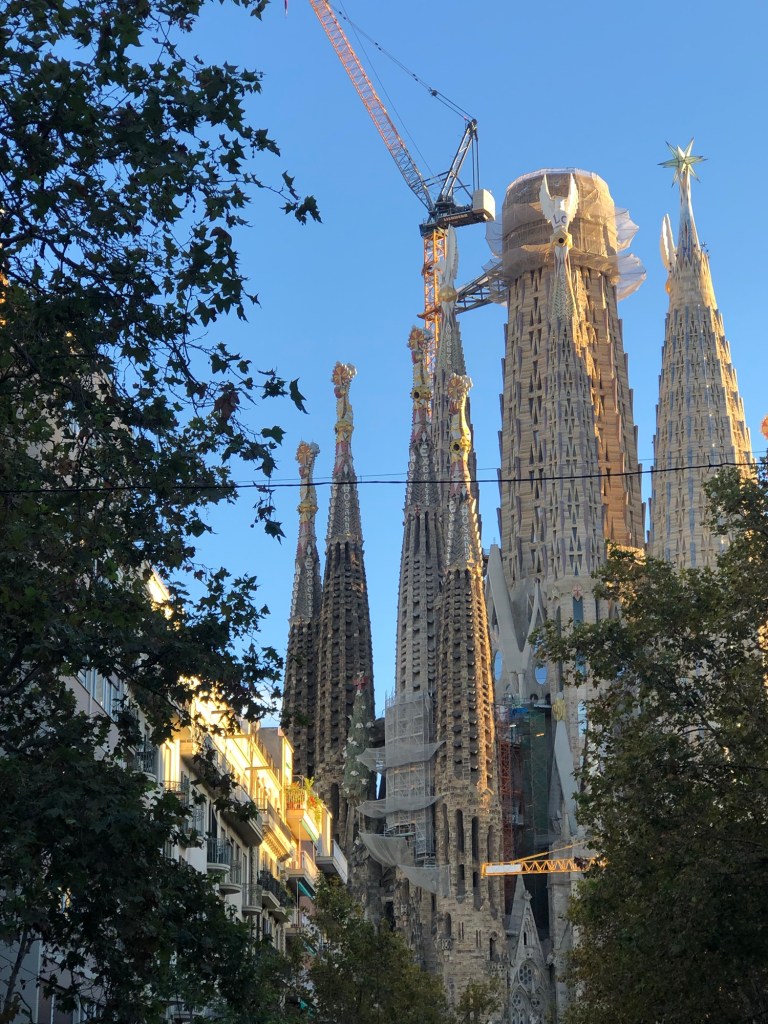
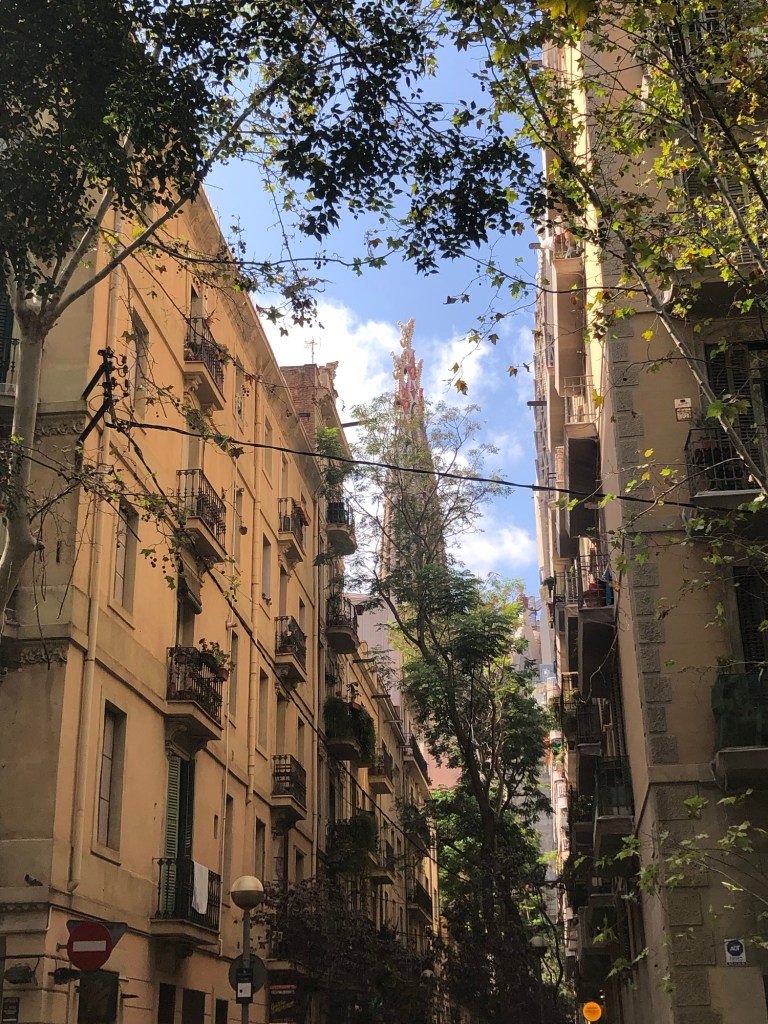
One of Barcelona’s most iconic neighborhoods, Eixample is synonymous with modernist architecture. Designed in the 19th century by Ildefons Cerdà, its grid-like streets are a masterpiece of urban planning. Eixample is home to several of Antoni Gaudí’s masterpieces, including La Sagrada Familia, Casa Batlló, and Casa Milà (La Pedrera). The wide, tree-lined boulevards offer plenty of cafes, restaurants, and boutique shops.
What sets Eixample apart is its unique mix of grand architecture, upscale shopping, and cultural landmarks. Visitors can wander the streets to admire the beauty of modernist buildings, or stop by Passeig de Gràcia, the main avenue, for a luxurious shopping experience.
One of Barcelona’s most iconic neighborhoods, Eixample is a symbol of modernist architecture and urban planning. Designed in the 19th century by Ildefons Cerdà, this district was created to alleviate the overcrowded medieval center of the city. The wide, grid-like streets with chamfered corners are a testament to Cerdà’s vision of creating a more open, airy, and efficient urban environment.
Eixample is home to several of Antoni Gaudí’s masterpieces, including the awe-inspiring La Sagrada Familia, Casa Batlló, and Casa Milà (La Pedrera). These buildings are not only architectural wonders but also reflect the city’s cultural renaissance in the late 19th and early 20th centuries.
The neighborhood is also famous for Passeig de Gràcia, Barcelona’s grand avenue, where visitors can shop at luxury boutiques or enjoy local cafes and tapas bars. The Eixample area is a blend of high-end living, cultural landmarks, and a deep sense of artistic history.
Tip: If you’re visiting La Sagrada Familia, book your tickets in advance to avoid long lines. The basilica is incredibly popular, and booking online will give you access to skip-the-line tickets.
Tip: Take time to explore Passeig de Gràcia at a leisurely pace. Not only can you admire the architecture, but the street also features a variety of high-end shops and cafes, perfect for a break. Keep an eye out for Casa Lleó Morera and Casa Amatller, two other stunning modernist buildings along the boulevard.



Sant Antoni
If you’re a food lover, then Sant Antoni will quickly become your favorite neighborhood in Barcelona. Once a working-class area, Sant Antoni has evolved into a food-centric hotspot. The iconic Sant Antoni Market is the heart of the neighborhood, where you can sample fresh produce, meats, cheeses, and artisanal products.
Sant Antoni is also a thriving area for restaurants, from traditional tapas bars to modern eateries offering international cuisine. The neighborhood has a lively, youthful vibe, with hip cafes and trendy bars that keep the energy high well into the night.
Sant Antoni is a food lover’s dream. Historically a working-class district, Sant Antoni is now renowned for its vibrant food scene. The Sant Antoni Market, which was completely renovated in 2006, offers a bustling atmosphere where locals come to buy fresh produce, meats, fish, and other Catalan specialties.
In addition to its market, Sant Antoni has become a magnet for gastronomic innovation. Trendy restaurants, tapas bars, and cafes line the streets, offering a wide array of Catalan and international flavors. It’s also home to some of Barcelona’s coolest bars and coffee shops, making it a perfect place to enjoy a casual meal or a night out.
Tip: Visit Mercat de Sant Antoni on a Sunday to experience the bustling book and second-hand market that takes place alongside the food market. It’s a great spot to pick up unique souvenirs and enjoy the local atmosphere.
Gracia
If you’re looking for a more laid-back, bohemian vibe, Gràcia is the neighborhood to visit. Once an independent village, Gràcia still maintains its small-town feel, with narrow streets and intimate squares that feel worlds away from the hustle and bustle of the city center. The neighborhood is known for its vibrant arts scene, local markets, and independent boutiques.
Gràcia’s nightlife is also a highlight, with plenty of relaxed bars and eateries serving delicious Catalan cuisine. Every August, the neighborhood hosts the Festa Major de Gràcia, a lively street festival where locals decorate their streets with colorful and creative themes, adding to the charm and sense of community.
Although now part of Barcelona’s urban landscape, Gràcia retains a village-like charm. Originally an independent town, Gràcia was absorbed by Barcelona in the 19th century, but it has managed to preserve its small-town feel. The narrow, winding streets are lined with independent shops, local restaurants, and charming plazas.
Gràcia has long been a center for the artistic and intellectual community. It was the birthplace of the Festa Major de Gràcia, an annual street festival where locals decorate the streets with creative and colorful themes, filling the neighborhood with a lively spirit.
The history of Gràcia is also reflected in the Casa Ramos and Park Güell, two iconic works of modernist architecture by Antoni Gaudí. Gràcia’s blend of historical roots, creative energy, and community spirit makes it one of Barcelona’s most unique neighborhoods.
Tip: If you’re visiting in August, make sure to attend the Festa Major de Gràcia, a street festival where the neighborhoods decorate their streets in creative, colorful themes. It’s one of the best times to see the artistic and community spirit of Gràcia in full bloom.
Tip: Spend time in Plaça de la Vila de Gràcia, the main square, surrounded by cafes and terraces. It’s a great spot to relax with a drink or catch up with locals.
Tip: Gràcia is full of small, independent boutiques. If you enjoy shopping, take a leisurely walk through its charming streets like Carrer de Verdi and Carrer de Pau Claris for unique items and artisanal goods.


Barceloneta
Barceloneta is one of Barcelona’s most iconic and historic neighborhoods, famed for its Mediterranean lifestyle and seaside charm. Originally developed in the 18th century as a fishing village, Barceloneta retains much of its original character, with narrow streets, whitewashed buildings, and a lively atmosphere.
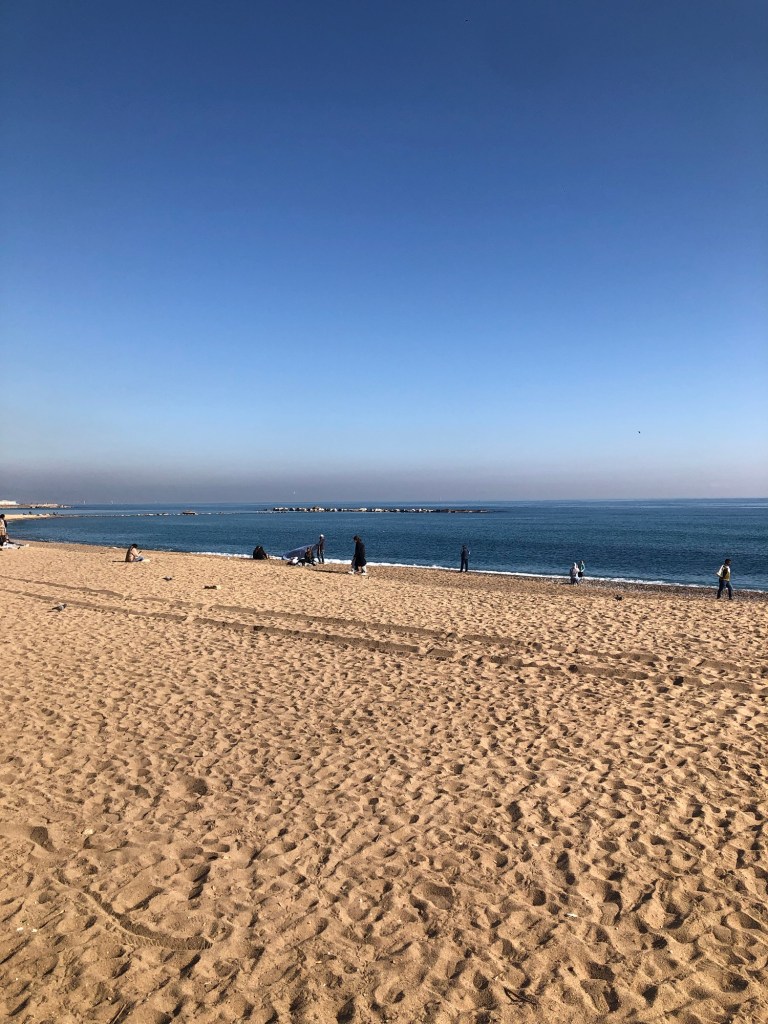
The neighborhood is located right on the beach, making it a top destination for those looking to enjoy the sun and sea. Barceloneta Beach is a popular spot for both locals and tourists, offering a perfect blend of relaxation and entertainment with beach bars (chiringuitos), volleyball courts, and a long promenade for walking or cycling.
Beyond its beaches, Barceloneta has a rich culinary tradition. The area is known for its seafood, particularly paella, and the bustling Mercat de Barceloneta is the perfect place to sample fresh fish and other local delights. The neighborhood has a vibrant nightlife scene with bars and restaurants that stay open late into the evening, making it a hub for both daytime relaxation and nighttime fun.
Barceloneta is one of Barcelona’s most iconic and historic neighborhoods, famed for its Mediterranean lifestyle and seaside charm. Originally developed in the 18th century as a fishing village, Barceloneta retains much of its original character, with narrow streets, whitewashed buildings, and a lively atmosphere.
The neighborhood is located right on the beach, making it a top destination for those looking to enjoy the sun and sea. Barceloneta Beach is a popular spot for both locals and tourists, offering a perfect blend of relaxation and entertainment with beach bars (chiringuitos), volleyball courts, and a long promenade for walking or cycling.
Tip: Arrive early at Barceloneta Beach if you want to secure a good spot by the water, especially during the summer months. The beach can get quite crowded later in the day.
Tip: For the freshest seafood, head to La Cova Fumada, a hidden gem in Barceloneta that’s been serving traditional Catalan seafood dishes since 1950. Try the bombas (fried meat and potato croquettes), a local delicacy.
Tip: After spending time at the beach, stroll down Passeig Marítim de la Barceloneta, the long seaside promenade that’s perfect for an evening walk with views of the Mediterranean Sea.



Poblenou
For a blend of innovation and relaxation, Poblenou is the place to be. Situated by the sea, this former industrial district has been transformed into a hub of tech companies, trendy cafes, and art studios. While Poblenou’s modern character is evident in its industrial-style architecture and urban parks, it still retains a sense of its working-class roots.
One of the main attractions of Poblenou is its proximity to Barcelona’s beaches. You can spend your days at Mar Bella Beach or Bogatell Beach, enjoying the sun and vibrant beach life. In the evening, Poblenou is home to several cool bars and restaurants where you can unwind and enjoy some delicious food and drinks.
The transformation of Poblenou from an industrial district to a trendy urban hub is one of the most fascinating stories in Barcelona’s recent history. Once the center of the city’s textile and manufacturing industries, Poblenou has undergone extensive gentrification, becoming a hotspot for technology companies, art studios, and startups.
Despite its modernity, Poblenou still holds traces of its industrial past. The Can Framis Museum, housed in an old factory, is an example of how the neighborhood blends its history with contemporary culture.
Poblenou’s coastal location also makes it a prime destination for beach lovers. Nova Icaria beach, Bogatell Beach and Mar Bella Beach are popular spots for sunbathing and enjoying the Mediterranean Sea. The blend of innovation, art, and seaside relaxation makes Poblenou one of the most dynamic neighborhoods in Barcelona today.
Tip: Walk down Rambla de Poblenou, a wide, tree-lined street that’s much quieter than the city’s central rambla. It’s full of local eateries, independent shops, and quiet spots to enjoy a coffee or tapas.
Tip: If you’re interested in street art, Poblenou is home to some of the city’s best murals and graffiti, particularly in the Poblenou Art District, around Carrer de les Canyelles.
Tip: Make sure to visit the beach early in the morning or later in the evening to avoid the midday crowds. The Bogatell Beach and Mar Bella Beach are perfect for a relaxing day by the sea with plenty of beach bars for refreshments.
Montjuïc
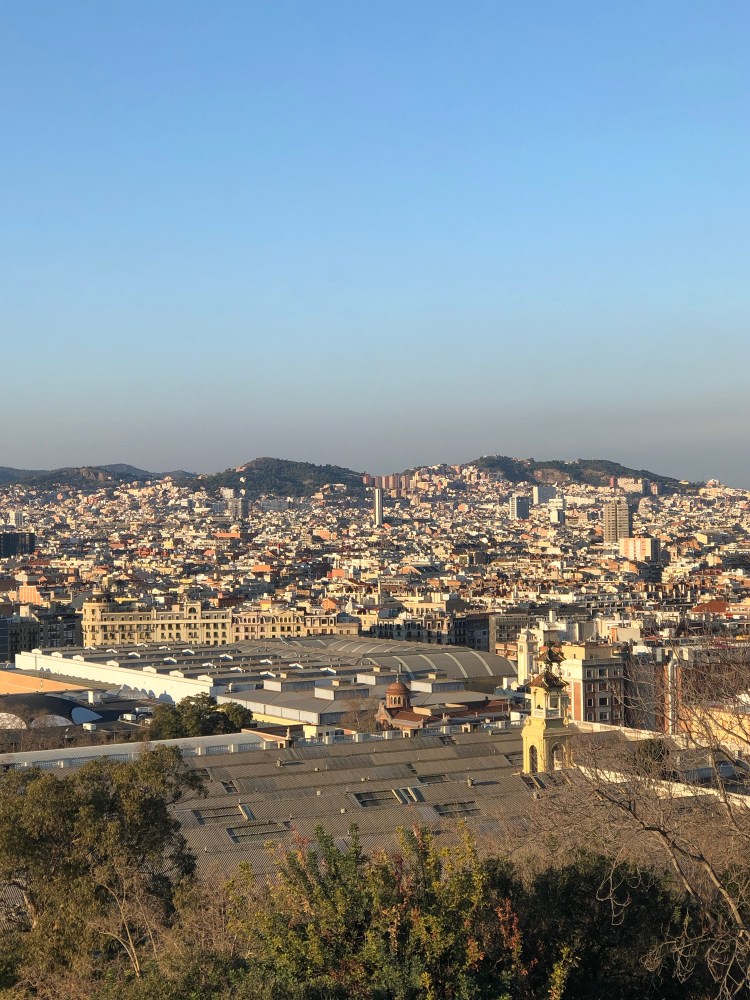
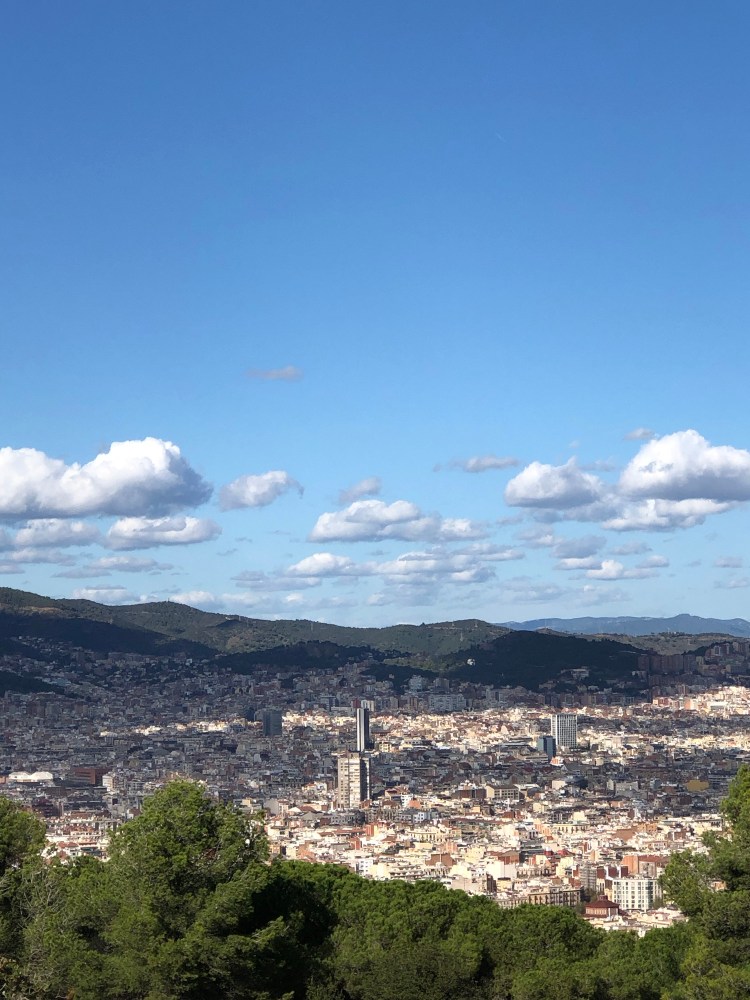
For those who love nature and stunning views, Montjuïc is a must-see. Located on a hill just south of the city center, this neighborhood offers expansive green spaces, cultural landmarks, and panoramic views of Barcelona’s coastline. Highlights include Montjuïc Castle, the Magic Fountain, and the Olympic Stadium, which was built for the 1992 Summer Olympics.
The tranquil parks, lush gardens, and scenic walking trails make Montjuïc the perfect escape from the hustle of the city. It’s an ideal spot for those who want to enjoy nature while taking in some of the best views Barcelona has to offer.
For those who want to escape the urban bustle while still being close to the action, Montjuïc offers the perfect retreat. This lush hill overlooking the city is a green haven filled with parks, gardens, and cultural landmarks.
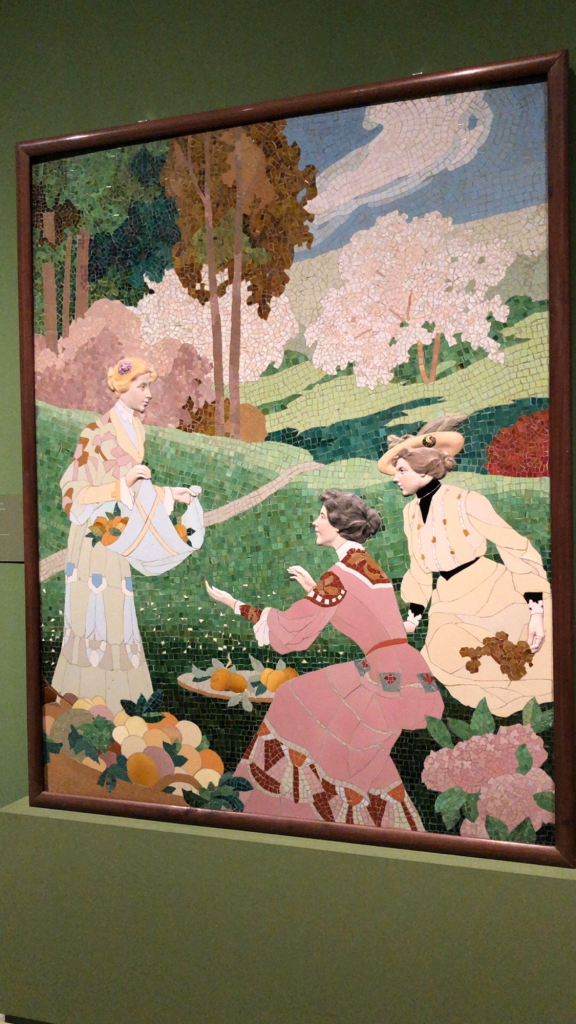
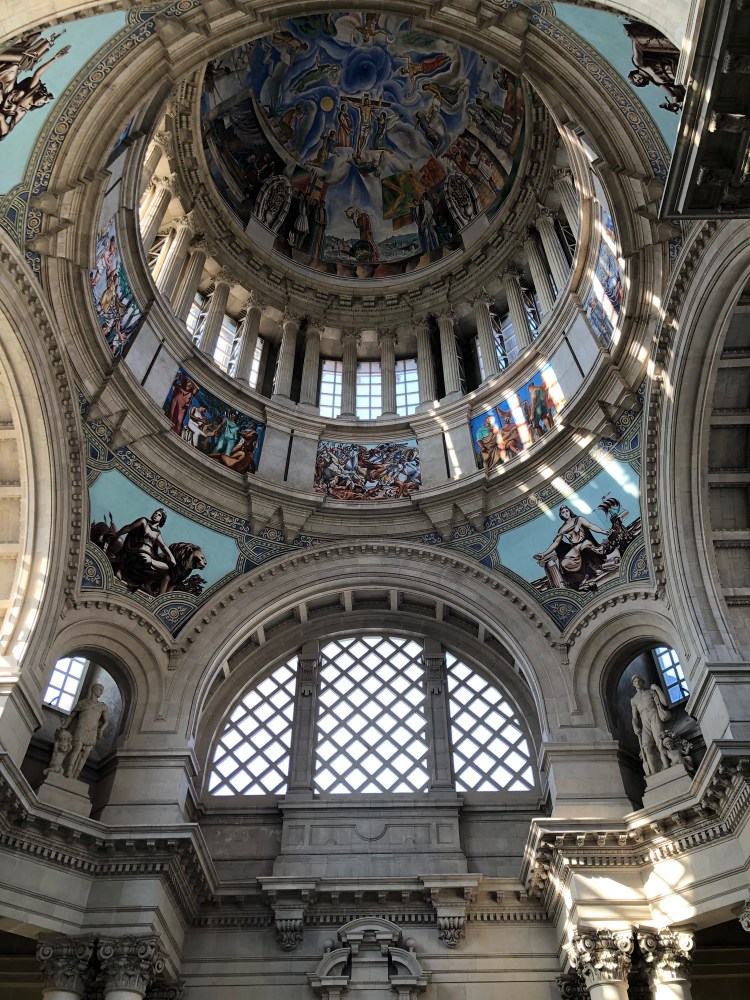
Montjuïc was a prominent site during the 1929 International Exposition, and today it’s home to the Olympic Stadium, Montjuïc Castle, and the Magic Fountain, which hosts nightly light and music shows. Visitors can stroll through Parc de Montjuïc or visit the Joan Miró Foundation and National Art Museum of Catalonia (MNAC) to immerse themselves in art and history while enjoying panoramic views of Barcelona.
Tip: If you’re heading to Montjuïc Castle, consider taking the cable car for panoramic views of the city and the sea. The ride itself is part of the experience, offering stunning vistas of the harbor and coastline.
Tip: Explore Jardins de Laribal and Jardins de Joan Maragall, two lesser-known gardens on Montjuïc that offer quiet, shady spots and beautiful landscaping.
Tip: The Poble Espanyol, a recreated Spanish village showcasing architecture from across the country, is an interesting visit on Montjuïc. It has craft shops, exhibitions, and even Spanish folk music performances.

 Travelwithbodien